A snow blower that is too small turns every storm into a long job. One that is too big costs more, is harder to store and can be awkward on narrow paths. The right size depends on three things: how much area you clear, how much snow you usually get, and what kind of surface it is.
1. Start with clearing width
Clearing width is how wide a path the machine clears in one pass. A wider machine means fewer passes, but it is also heavier and takes up more space. As a rule of thumb:
| Clearing width | Typical area | Usual type |
|---|---|---|
| 18 inches | Decks, patios, sidewalks and short driveways | Corded electric, cordless or small single-stage gas |
| 21 inches | Most one- to two-car paved driveways | Single-stage gas or cordless |
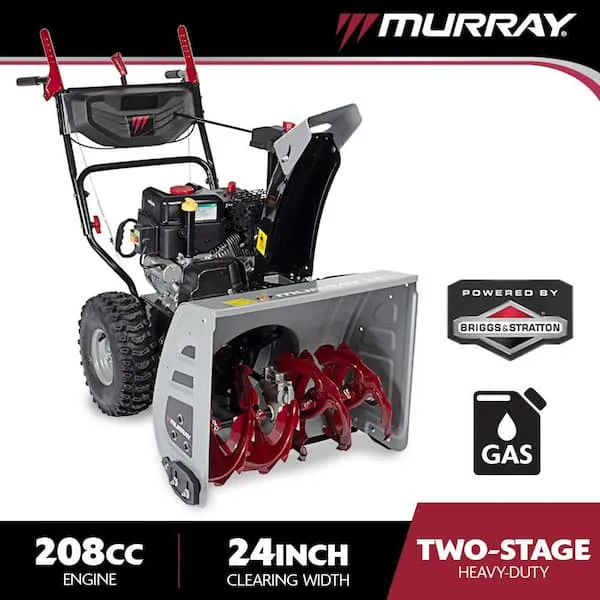
| 24 inches | Two- to three-car driveways, longer drives | Two-stage gas or cordless |
| 26–30 inches | Long, wide or shared driveways and large lots | Two-stage gas |
These are starting points. If you get a lot of snow, go one size up. If you have tight paths or limited storage, a narrower machine may be easier to live with.
2. Check intake height against your snowfall
Intake height is how tall the opening at the front is. It limits how deep the snow can be before the machine has to take smaller bites.
- Light snowfall (under about 8 inches per storm): a single-stage machine with a 12-inch or taller intake is usually enough.
- Moderate snowfall (8–12 inches): a larger single-stage gas model or a two-stage machine.
- Heavy snowfall (12 inches or more), wet snow or plow piles: a two-stage machine with an intake of around 20 inches or more.
3. Consider your surface
Single-stage snow blowers scrape the ground with rubber paddles, so they are made for paved surfaces. For a gravel driveway, choose a two-stage model with adjustable skid shoes so the auger rides above the stones.
4. Match the power
- Corded electric: fine for small paved areas and light snow, limited by cord length.
- Cordless battery: available in single-stage and two-stage designs; runtime depends on the batteries you use.
- Gas: the best choice for large areas, deep snow and long sessions.
Quick recommendations
- Small paved areas, light snow: an 18″ corded electric blower or a compact 18″ gas blower.
- Typical paved driveway, light to moderate snow: a 21″ single-stage gas blower.
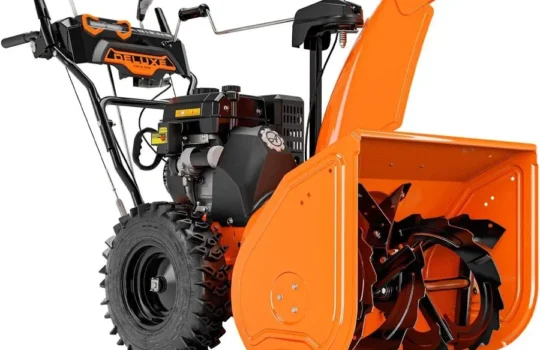
- Medium to large driveway, heavier snow or gravel: a 24″ two-stage gas blower, or a 24″ cordless two-stage blower if you prefer battery power.
- Long or wide driveway, deep snow and plow piles: a 28″ two-stage gas blower.
Frequently asked questions
Is a bigger snow blower always better?
No. A larger machine clears faster, but it is heavier, costs more and needs more storage space. Pick the smallest size that comfortably handles your usual storms.
How do I measure my driveway?
Multiply its length by its width in feet. Include walkways and any area by the garage door you clear. A larger total area and more frequent storms point to a wider machine.
Do I need electric start?
It is not essential, but it makes starting a gas engine much easier on very cold mornings. Many mid-size and larger models include it.
Not sure which type to pick? Read single-stage vs two-stage snow blowers, or browse all snow blowers. Free tracked shipping across the US.